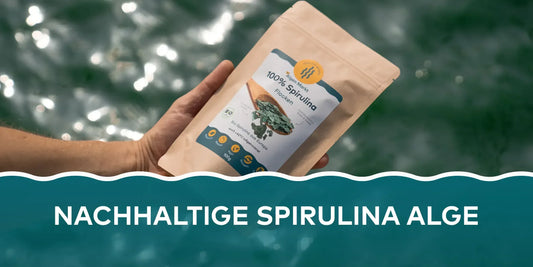
Sustainable spirulina algae
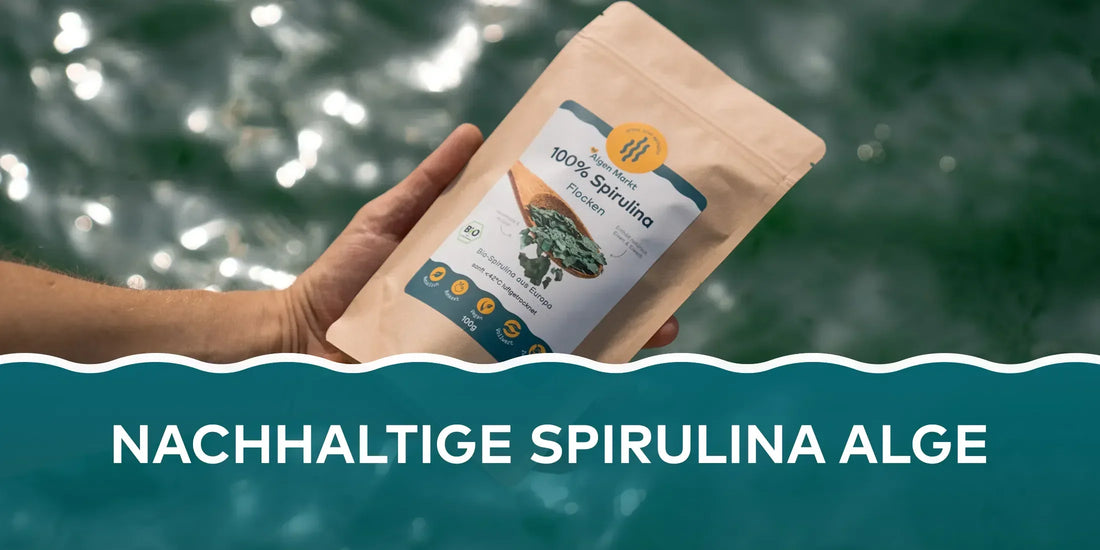
Today, algae are considered sustainable “Food of the future” celebrated. In the following exploration, we will focus on the ecological, social, economic and health-related Aspects of spirulina use to highlight its opportunities and risks in the context of sustainability.
PLANKTON ON THE PLATE
Life existed in the seas as early as 3.5 billion years ago. This life form was phytoplankton. Among these were the spirulina algae, which scientists have described as... Arthrospira named.
The microscopic algae thrived in the freshwater of the first primordial lakes. On the still-young Earth, the air began to change. Gradually, it became enriched with oxygen. This is how the first plants and animals developed.
Due to their vibrant green-blue color (Greek: cyano), which they owe to the blue pigment phycocyanin and their ability to convert sunlight into energy, Spirulina algae and their relatives are also called cyanobacteria.
At just 0.3 mm in size, they are almost visible to the naked eye. However, their full beauty is only revealed under a microscope. Like tiny spirals, they wind around their own axis, resembling small feathers.
Cyanobacteria are the first link in the food chain and were on the menu of early predators. In modern times, flamingos set the example. The Aztecs copied this practice. As early as 500 years ago, the Aztecs were harvesting the algae from the seabed using baskets. Lake Texcoco . They dried it and shaped it into nutritious food. Spirulina flatbread, which they call "Tecuilat" They called it. There was supposedly a veritable agricultural industry centered around the green flatbread. History tells us that the messengers in the Aztec empire fortified themselves with tecuilat.
Spirulina was also recommended to us by the Kanembou from Lake Chad It is a tradition passed down through generations. Even today, the algae are harvested there. They are poured into a round hollow in the sand and left to dry into a green cake during the day. At dusk, the Cake, “Dihé” named, broken into pieces and sold at the market the next morning.
A Belgian botanist discovered the Dihé at such a market, bought a piece, documented the harvest, and took samples from the lake. He was impressed by its particularly high iron and protein content, as well as its other valuable nutrients.
When the UN warned of an impending global protein shortage in the 1970s, spirulina became known to a wider public. UNESCO described the algae as a "food of the future." Today, spirulina is known worldwide. It is considered a sustainable food source. Dietary supplements, superfoods and remedies distributed. It is even used in cosmetics and space travel.
OPPORTUNITIES AND RISKS OF SPIRULINA USE
In the complete nutrition According to Prof. Leitzmann, sustainable food products are weighted on four supporting pillars: Economy, ecology, social issues, and health are all considered equally and adapted to cultural contexts. This results in a holistic view of nutrition. For spirulina cultivation, this means:
ECOLOGY
Due to its high division rate, spirulina can be harvested daily. Resource consumption is minimal. Compared to soy, this algae produces 26 times more protein on infertile soil while using five times less water.
When cultivated in Germany, spirulina requires heat; it thrives best at 35°C. Spirulina is an alkaline food with a pH value above 10. Pesticides are unnecessary during its vigorous growth under these conditions.
When spirulina is ingested with environmental toxins, there is a risk of contamination. Therefore, the water in which it is cultivated should not be polluted with heavy metals or similar substances. Spirulina can both eliminate heavy metals from the body and absorb impurities from the environment in which it grows. Spirulina could therefore also be used to detoxify the environment.
Cultivation conditions and origin play a major role in the quality of spirulina. Contamination occurs primarily when rainwater enters the growing basin, as is the case with large-scale industrial cultivation.
SOCIAL

Cultivating spirulina requires only light physical labor, and its productivity and low-tech cultivation methods allow for broad access to spirulina farming. Many project sponsors worldwide focus spirulina cultivation on women in developing countries. Cultivation usually takes place where consumption offers health benefits to the population. Mother and child centers in Africa and India are one example.
Automation makes little sense in spirulina cultivation. The fully automated spray-drying used for industrial spirulina contrasts sharply with the gentle, raw-food drying methods employed by small-scale farms, which require more steps and personnel. The drying method has a significant impact on the quality and taste of the final product.
The cultivation and distribution of spirulina can be structured in a way that has a positive social impact. This is particularly true when organizations like Lebenshilfe (a German organization supporting people with disabilities) are commissioned to package and process the algae.
BUSINESS
Having the finished product in your hands on the day of harvest is a clear economic advantage. Added to this is the long shelf life of at least two years for spirulina algae that are packaged in an airtight and light-protected manner.
Depending on the facilities, technology, staffing levels, and size, a spirulina farm can become cost-effective within the first few years. There are already over 200 such small farms in France.
Spirulina is now available in a wide variety of forms. The product range extends from raw, dried granules used as a spice to fresh cakes and capsules as a dietary supplement. In addition, there are convenience products containing spirulina, such as vitamin drinks, protein bars, and cosmetics.
The economic advantages lie in the high productivity during cultivation, the long shelf life, and the variety of processing options.
HEALTH
The health aspect is a topic in itself. Spirulina should primarily be viewed as a food. It will not have a specific effect on illnesses or acute symptoms. However, it does serve to strengthen the body. The main reason for this is its high content of antioxidants and nutrients, as well as its high protein content.
The algae are particularly rich in assimilable minerals, including iron. For example, they have long been used as a complementary treatment for malnourished children.
Dentists recommend spirulina for the elimination of heavy metals after the removal of amalgam fillings.
CONCLUSION
Spirulina is a food that can contribute to maintaining health in many ways. Because it is a natural product and its composition can vary, it currently has limited medical applications. As the UN recognized as early as the 1970s, these blue-green algae represent a food with a future. However, their sustainability depends on the methods of cultivation and processing.
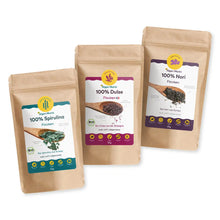
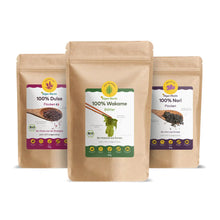
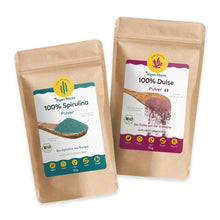
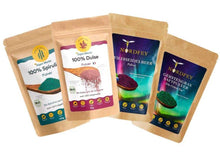
As pioneers in spirulina, we are fully committed to wholesome nutrition. We strive to implement this guiding principle and offer sustainable spirulina products.